
Navigating Business Evolution in 2025 - From Adaptation to Leadership
Learn how the most resilient companies in 2025 are evolving beyond survival - leading with technology, sustainability and global-agility.
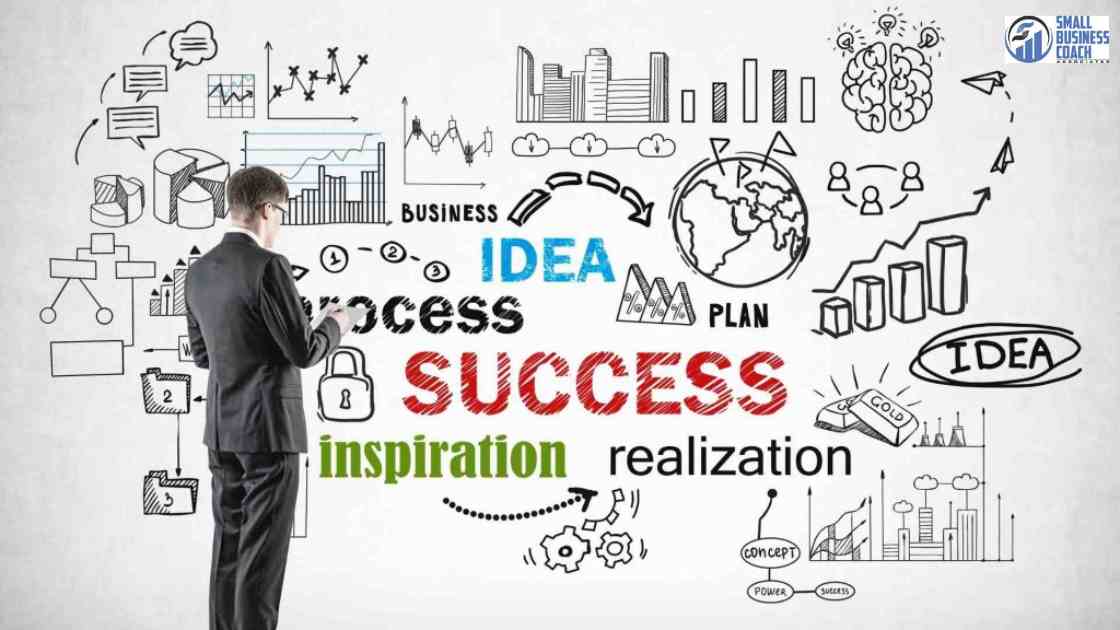
The Acceleration of Change in Business – 2025
Today's business environment demands more than incremental change. It requires rapid evolution. Fueled by digital transformation, shifting workforce models, and sustainability pressures, companies are no longer waiting for tomorrow to act but moving competitively today.
McKinsey's research found 89% of large companies globally now have an active digital and AI transformation journey underway. This isn't an early-adopter trend anymore, it's the baseline expectation for staying competitive. And the businesses that treat digital change as core strategy rather than a side project see it pay off directly: Deloitte's analysis of over 4,600 companies found a 14% market cap differential for firms that align digital strategy, technology, and change management, a gap worth an estimated $2.75 trillion across Fortune 500 companies alone.
For your agency and your clients, this means strategy isn't optional. It's fundamental to staying relevant.
Digital Agility & Operational Reinvention
Not Just an Enterprise Problem
Businesses are rethinking how they operate, integrating automation, predictive analytics, and agile workflows to respond faster to market shifts. Here's what's often missed in this conversation: agility isn't just something large enterprises need to solve. In McKinsey's research, organizations with fewer than 100 employees were 2.7 times more likely to report a successful digital transformation than enterprises with 50,000+ employees, largely because they aren't weighed down by legacy systems and layers of approval. That's genuinely good news if you're an SMB in Lahore or anywhere else worried you're "too small" to compete on digital sophistication.
What This Looks Like in Practice
At Digital Lab, this offers an opportunity: not just building websites or campaigns, but creating operational systems that evolve as your business grows or shifts markets. That might mean a booking system that adapts to seasonal demand, a content workflow that scales from one market to five without starting from scratch each time, or dashboards that give you a real-time read on what's actually working.
Purpose-Driven Growth & Trust Architecture
Consumers and stakeholders now expect companies to go beyond profit. Environmental responsibility, transparent supply chains, and ethical business models are shaping brand reputation and growth.
In your service to clients (local or global), Digital Lab can position brands around values, not just visuals, helping them lead with trust and purpose. This shows up in concrete ways: clear, honest messaging about how a business actually operates, data practices that respect customer privacy rather than just complying with the minimum legal bar, and a willingness to say what a business doesn't do as clearly as what it does. Trust, increasingly, is a growth channel in its own right, not a compliance checkbox.
What Your Business Should Do Now
- Map the change curve. Identify which parts of your business are fixed and which can flex. Then prioritise upgrades. Start with the process that costs you the most time or the most customer frustration, not the one that's easiest to fix.
- Invest in smart infrastructure. Use automation, cloud workflows, and data tools not just for cost savings but for strategic growth. The goal isn't fewer people doing the same work. It's freeing your team to spend time on decisions that actually need a human.
- Embed values into your growth model. Whether targeting local markets or global ones, ensure your brand story reflects responsibility, agility, and authenticity.
- Scale with purpose. If you're expanding internationally, make sure your systems, messaging, and performance adapt to new markets and cultural contexts. What works in one region rarely translates directly.
- Partner for full-stack support. Choose a team like Digital Lab that brings together web development, content, ads management, and data strategy, so your evolution is seamless, rather than a patchwork of disconnected vendors each optimizing for their own slice of the problem.
Why Choose Digital Lab for Business Evolution
With Digital Lab, you don't just build a campaign or a website. You build a growth engine. Whether your business is rooted in Islamabad or reaching global audiences, our integrated services ensure you're ready for today's changes and tomorrow's opportunities. We combine technology, creativity, purpose, and execution so you don't just adapt. You lead.
Conclusion
Business in 2025 is defined by speed, adaptability, and purpose. If you cling to outdated models, you'll fall behind. But if you embrace smart tech, ethical practices, and scalable digital strategy, you'll gain a competitive advantage.
Let Digital Lab be your partner in this journey, ready for today, prepared for tomorrow.
Frequently Asked Questions
McKinsey's research found 89% of large companies globally now have an active digital and AI transformation journey underway — it's become the baseline expectation for staying competitive, not just an early-adopter trend.
No — the opposite, according to McKinsey's research. Organizations with fewer than 100 employees were 2.7 times more likely to report a successful digital transformation than enterprises with 50,000+ employees, largely because smaller businesses aren't weighed down by legacy systems and layers of approval.
Yes. Deloitte's analysis of over 4,600 companies found a 14% market cap differential for firms that align digital strategy, technology, and change management — a gap worth an estimated $2.75 trillion across Fortune 500 companies alone.
Map your change curve — identify which parts of your business are fixed and which can flex, then prioritise upgrades starting with whatever costs you the most time or causes the most customer frustration, not whatever is easiest to fix.
Consumers and stakeholders increasingly expect companies to go beyond profit — environmental responsibility, transparent practices, and honest communication about what a business does and doesn't do are shaping brand reputation and becoming a real growth channel, not just a compliance checkbox.