
Marketing in 2025 - How Brands Can Thrive with Hyper-Personalisation and AI-Driven Strategy
Explore how marketing is evolving with generative AI, omnichannel experiences and first-party data – and how your brand can lead in both local and global markets.
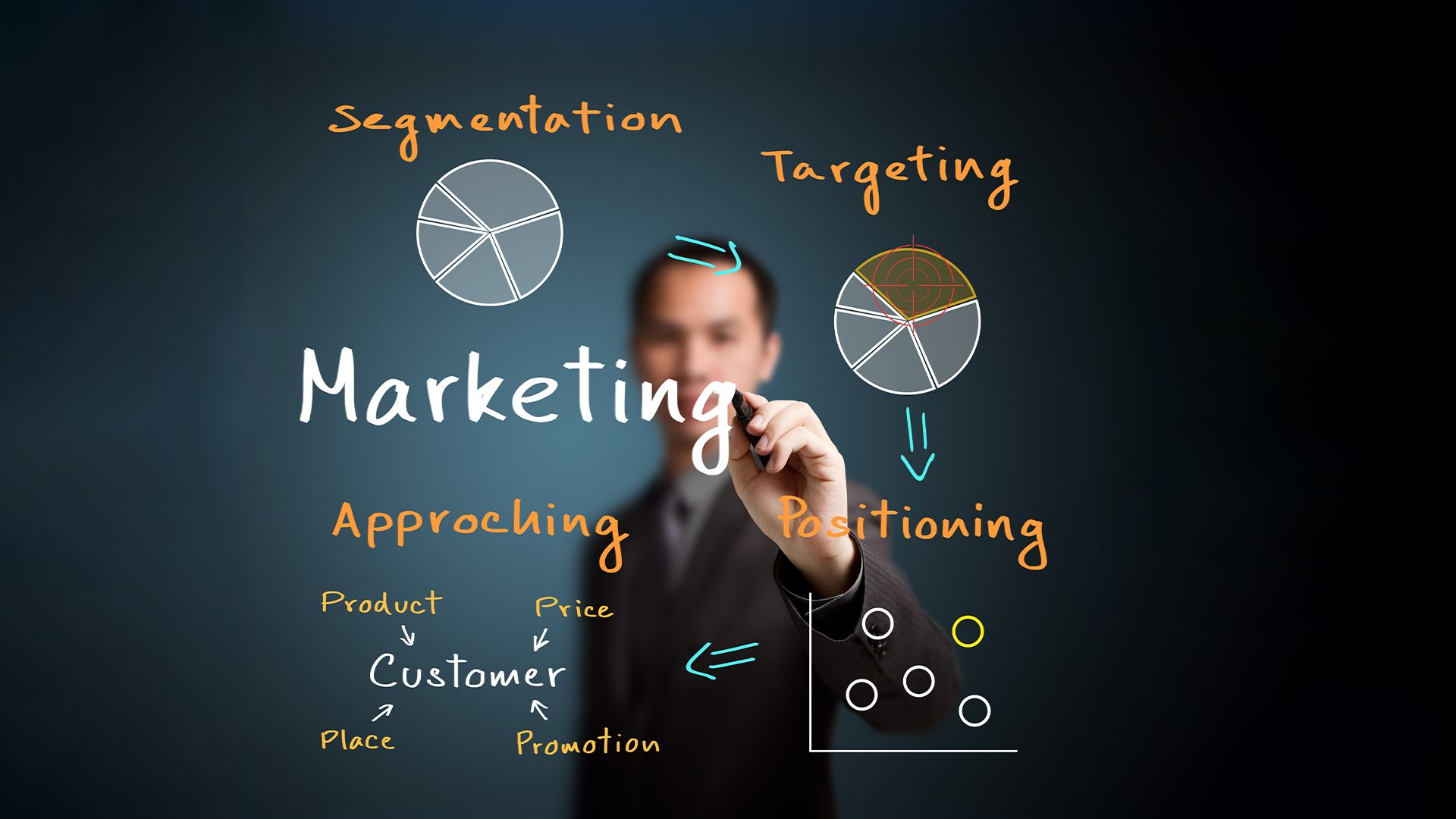
The New Face of Marketing – 2025
Marketing is no longer just about reaching many. It's about reaching the right person, at the right moment, across the right channel. AI is now a cornerstone of marketing, from automating repetitive tasks to creating personalised and impactful campaigns.
The shift to hyper-personalisation and AI-driven automation shows that marketers who leverage generative AI, first-party data and omnichannel strategies will outperform competitors.
McKinsey's research found 76% of consumers say personalised communications are a key factor in choosing which brands to consider, and 78% say it makes them more likely to buy again. Companies that lead on personalisation see it show up in revenue too. McKinsey has documented an average 10-15% revenue lift tied to strong personalisation, and in some cases as high as 25%. Personalisation isn't a nice-to-have anymore. It's one of the more measurable levers a brand has.
Omnichannel + Personalisation = Growth
Brands must now craft seamless experiences across social media, websites, mobile, and in-store interactions. Personalisation is no longer optional. It's expected.
For businesses working with Digital Lab, this means designing campaigns that adapt to each user's location, device, and preferences. By connecting data and creativity, you can deliver a unified brand experience from awareness to conversion.
In practice, this often starts smaller than "omnichannel" makes it sound. It might mean your Instagram content and your website's product pages actually reflect the same offer at the same time, or that a customer who messages you on social doesn't have to repeat themselves if they follow up by email. Consistency across touchpoints is what customers actually notice. The "seamless" part is felt more than seen.
AI + Automation: From Efficiency to Engagement
AI and automation are not just tools for saving time. They are engines for customer engagement. With generative AI, brands can create and test multiple creative versions in real time, allowing marketers to optimise campaigns for performance and engagement.
At Digital Lab, we integrate AI-powered content creation, campaign optimisation, and adaptive customer journeys to help clients gain an edge in competitive markets.
First-Party Data & Trust Are Key
The Cookie Landscape, Correctly Explained
Google reversed its plan to phase out third-party cookies in Chrome, so they haven't disappeared the way many predicted back in 2024. But that headline masks the more important trend underneath it. Safari and Firefox have blocked third-party cookies by default for years and aren't changing that, which alone affects a meaningful share of web traffic. And separately from what any single browser does, AI-driven personalisation simply performs better on first-party data. It's more accurate, more complete, and reflects real customer behaviour rather than inferred, third-hand signals.
Why First-Party Data Still Wins
The strategic advice hasn't actually changed, even though the reason for it is more specific than "cookies are going away." Collecting accurate, consent-based data allows you to deliver valuable, relevant messages without crossing privacy lines. Digital Lab helps businesses build strong, ethical data foundations that balance personalisation with transparency, ensuring trust and long-term loyalty.
What Your Business Should Do Now
- Audit your audience journey. Map how users interact with your brand across platforms and touchpoints. Most brands are surprised by how disconnected their own channels actually are once they look closely.
- Invest in creativity & automation. Use AI tools to create and optimise multiple campaign versions efficiently, but keep a human reviewing what actually goes out. AI-generated variants still need a brand-voice check.
- Build your data foundation. Focus on first-party data collection through your website, app, and CRM systems. This matters regardless of what any browser does with third-party cookies.
- Design for global + local markets. Tailor content for both regional and international audiences with cultural and linguistic relevance. What resonates in one market can misfire in another, even within the same language.
- Work with an integrated agency. Choose a partner that combines social media strategy, ads management, and copywriting for cohesive and consistent marketing performance. Disconnected vendors optimizing for their own slice of the funnel is one of the most common reasons campaigns feel inconsistent.
Why Choose Digital Lab for Marketing
With Digital Lab, you're not just executing campaigns. You're building a future-ready marketing system. Whether you're a local restaurant or a global brand, our integrated services ensure that your marketing strategy is powered by technology, data, and creativity. We deliver omnichannel, AI-enhanced marketing that helps your business grow locally and globally.
Conclusion
Marketing in 2025 is about precision, personalisation, and performance. Success belongs to the brands that combine technology with creativity, and strategy with data.
If your business is ready to go beyond outdated marketing approaches, step into the future with Digital Lab, where innovation meets impact.
Frequently Asked Questions
No — Google reversed its plan to deprecate third-party cookies in Chrome. However, Safari and Firefox already block them by default, and first-party data still produces better AI-driven personalisation regardless of what any browser does with cookies.
Hyper-personalisation uses AI and first-party data to tailor content, offers, and messaging to individual users in real time, rather than broad audience segments — adapting to a user's location, device, and behaviour across every channel they interact with.
Yes. McKinsey's research found companies that excel at personalisation see an average 10-15% revenue lift, with some businesses seeing gains as high as 25%. Personalised communications also make consumers 78% more likely to make repeat purchases.
First-party data is more accurate and complete because it comes directly from your own customers, not inferred third-hand signals. AI-driven personalisation performs better on this kind of data, and it also keeps you independent of whatever any single browser decides to do with cookie policy.
Start by auditing your audience journey — map how users actually interact with your brand across every platform and touchpoint. Most businesses find their channels are more disconnected than they assumed, and that gap is usually the highest-impact place to start.